
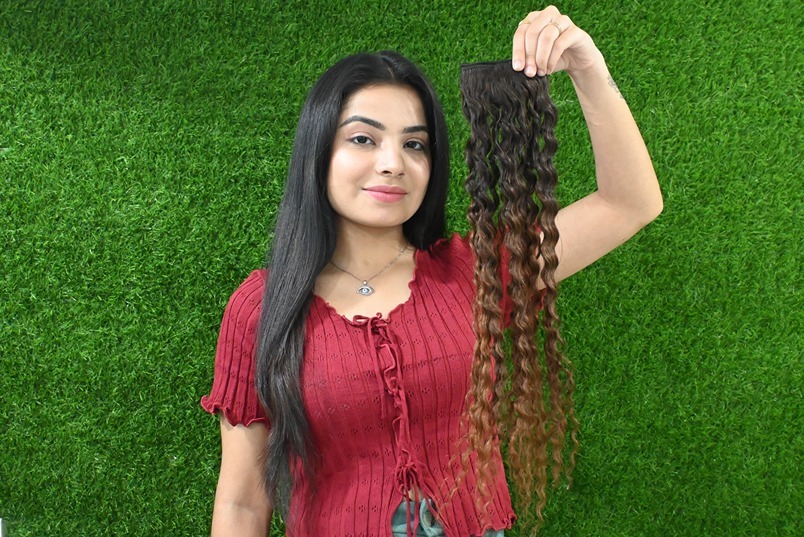
Hair loss is not just a cosmetic concern—it can deeply affect an individual’s emotional well-being and self-esteem. Alopecia, a medical condition that leads to hair loss, can strike men, women, and even children at various stages of life. For many, the journey through hair loss is filled with uncertainty, stress, and the constant search for answers. Alopecia and Hair Systems: What Are Your Options? Fortunately, in today’s world, non-surgical hair systems offer a practical and transformative option for those seeking to restore not just their hair, but their confidence as well. In this article, we will walk you through a comprehensive understanding of alopecia, its types, its impact, and explore in depth the various hair system solutions available in the modern market. This step-wise guide is tailored to help you make an informed decision that fits your needs, lifestyle, and comfort.
1. Understand What Alopecia Is
The first step is understanding the condition itself. Alopecia is a broad term used to describe hair loss that may occur anywhere on the body, including the scalp, eyebrows, eyelashes, or even full-body hair. This condition can be either temporary or permanent, and it might stem from various causes such as genetic factors, autoimmune disorders, hormonal imbalances, medications, or physical trauma. Knowing the root cause of your hair loss can help determine the most effective solution. Consulting a dermatologist or a trichologist (a specialist in hair and scalp disorders) is often the first move toward diagnosing the type of alopecia you’re dealing with.
2. Identify the Type of Alopecia
After understanding the condition, the next step is to identify which type of alopecia you may have. Alopecia comes in different forms, each with unique symptoms and progression. Alopecia areata is one of the most common types. It occurs when the body’s immune system mistakenly attacks healthy hair follicles, causing sudden and patchy hair loss on the scalp or other parts of the body. Androgenetic alopecia is another prevalent form, often referred to as male or female pattern baldness. This is a hereditary condition that typically progresses gradually and is characterized by thinning hair along the crown and receding hairlines in men, or overall thinning in women. Alopecia totalis is an advanced stage of alopecia areata, where complete loss of hair on the scalp is observed. It can be emotionally distressing and may progress unpredictably.
3. Recognize the Emotional Impact
Once you know the type of alopecia, it’s important to acknowledge the emotional and psychological toll hair loss can take. Hair is often tied to one’s identity and appearance. Losing it can lead to feelings of insecurity, low self-esteem, social withdrawal, and even depression. It’s essential to understand that you are not alone. Millions of individuals globally face alopecia and many have found solutions that help them feel like themselves again. Emotional support from friends, family, and hair loss communities can make a tremendous difference during this phase.
4. Explore Available Solutions
When it comes to managing alopecia, several treatment and cosmetic options are available. The goal is to find one that aligns with your condition, expectations, and lifestyle. Hair transplant surgery is one option. This procedure involves moving hair follicles from one part of the scalp (donor area) to the bald or thinning areas. While this method can be effective for some individuals with male or female pattern baldness, it is not suitable for all types of alopecia, especially autoimmune-related ones. It is also expensive, invasive, and requires recovery time. Topical treatments like Minoxidil may also help in cases of androgenetic alopecia. This over-the-counter medication stimulates hair follicles and may encourage regrowth. However, it requires continuous application and its results vary. Once discontinued, hair loss often resumes.
5. Learn About Hair Systems
Hair systems have revolutionized the way we approach hair loss. These systems are expertly crafted hairpieces that integrate seamlessly with your existing hair or scalp to recreate the look of a full head of hair. They are designed to match your hair color, texture, density, and even hairline shape. A typical hair system includes a base that rests on your scalp and hair strands that are knotted or injected into the base. The base can be made of various materials such as lace, polyurethane, or monofilament. Each of these materials offers unique benefits in terms of comfort, breathability, and realism. The greatest advantage of a hair system is that it offers immediate results without the risks, costs, or recovery associated with surgical options.
6. Choose the Right Hair System Base
Understanding the different base types will help you choose the one best suited to your lifestyle and needs. Lace base systems are lightweight, breathable, and ideal for sensitive scalps. They offer a very natural front hairline, making them a top choice for individuals who prioritize realism. Polyurethane or PU base systems resemble the scalp and are known for their durability and ease of cleaning. They allow for strong adhesion and are often chosen by people who wear their hair systems continuously for long durations. Monofilament base systems provide a natural scalp appearance and allow multi-directional styling. They are breathable and flexible, making them suitable for daily use.
7. Understand the Benefits
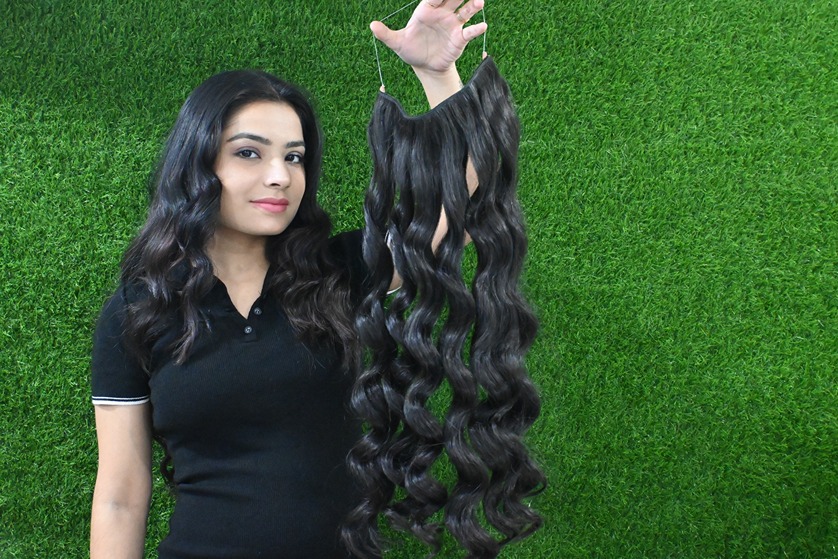
There are several reasons why people with alopecia prefer hair systems over other treatment options. One of the most appreciated benefits is the immediacy. Unlike medications or surgical procedures that require time to show results, a hair system delivers a full, natural look instantly. The solution is non-invasive and completely safe. There’s no surgery involved, no side effects, and no recovery time needed. Hair systems are also highly customizable. Whether you prefer curly hair, straight styles, long locks, or a specific color, you can personalize the system to match your desired appearance. Affordability is another key factor. Compared to hair transplants or long-term medication usage, hair systems are more budget-friendly.
8. Determine If a Hair System Is Right for You
Hair systems are ideal for a wide range of individuals. They can be used by men and women experiencing pattern baldness, those going through chemotherapy, individuals with alopecia areata, or even those who have undergone unsuccessful hair transplant procedures.People with active lifestyles can also benefit, as modern systems are designed to withstand activities like swimming, exercising, and sleeping. Children and young adults with alopecia can also use hair systems, provided they are fitted professionally and maintained properly.
9. Consult a Professional and Get Fitted
Once you’ve decided to try a hair system, it’s crucial to consult a certified hair replacement specialist. They will assess your scalp condition, determine the best base and hair type, and take precise measurements for a custom fit.The professional will also help in styling the hair system to blend perfectly with your natural hair (if any), skin tone, and face shape. This ensures the result looks completely natural and undetectable.
10. Maintain and Care for Your Hair System
After getting your hair system, maintenance becomes key to ensuring it looks good and lasts longer. You should clean the system regularly using gentle, sulfate-free shampoos and conditioners. Avoid harsh chemicals or excessive heat styling, especially if you are using synthetic hair. Proper storage is essential when you are not wearing the system. Keeping it on a mannequin head helps retain its shape. Adhesives or tapes need to be replaced at intervals recommended by your stylist. You may also need to visit the salon for professional cleaning or reattachment every few weeks, depending on the system you choose.
Final Thoughts
Alopecia may be a challenging journey, but today, it no longer means living without options. Hair systems provide a safe, customizable, and effective way to restore your hair and your confidence. Whether you’re facing patchy hair loss, complete baldness, or thinning, there’s a hair system designed to meet your needs. If you’re looking for a life-changing solution that combines appearance, comfort, and flexibility, a professionally fitted hair system might just be your answer. Take the first step toward restoring your confidence—and your style—today.