

Hair toppers have become a go-to solution for individuals experiencing hair thinning, partial hair loss, or those who desire extra volume on the crown. These versatile hairpieces are available in two primary types: real human hair toppers and synthetic fiber toppers. Making the right choice can significantly affect your look, confidence, and daily routine. That’s why understanding is crucial before investing. This expanded guide Real vs. Synthetic Hair Toppers: What You Need to Know provides in-depth insights into both types. It highlights their differences across various aspects such as realism, texture, styling options, maintenance, durability, cost, lifestyle compatibility, and customization potential. Whether you are a beginner or a seasoned user, this thorough analysis will equip you with everything you need to make a well-informed choice.
1. Appearance and Realism
Real human hair toppers are crafted from ethically sourced hair that reflects light naturally, just like your own strands. They offer the highest level of realism. When blended correctly with your bio hair, these toppers are nearly undetectable. You can create natural partings, mimic real scalp appearance, and enjoy an overall seamless look. The ability to mimic the movement and shine of natural hair is what sets real toppers apart. This guide—Real vs. Synthetic Hair Toppers: What You Need to Know—emphasizes that for users concerned with authenticity, real human hair remains the gold standard. Synthetic hair toppers have advanced in quality over recent years, with high-end synthetic fibers capable of closely mimicking the look of human hair. However, under strong lighting or close inspection, the uniform shine or unnatural texture can become apparent. While they might appear perfect in photos or short-term use, long-term wear often reveals subtle signs of artificiality.
2. Texture and Feel
Touch plays a vital role in the overall experience of wearing a hair topper. Real human hair toppers have a smooth, natural texture. They are soft to the touch and move naturally with the wearer. When you run your fingers through the strands, they feel identical to your natural hair. This is one reason many users prefer human hair, as discussed in Real vs. Synthetic Hair Toppers: What You Need to Know. Synthetic toppers vary in texture depending on the quality of the fiber. Lower-end synthetics may feel coarse or plasticky, while higher-end synthetic toppers can be surprisingly soft. However, even the best synthetic toppers might lack the dynamic texture and slight irregularities that make human hair so lifelike.
3. Styling Flexibility
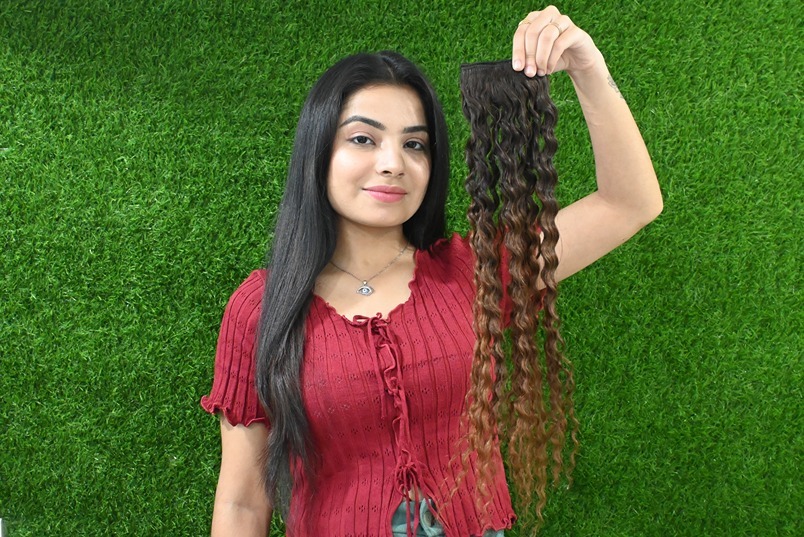
One of the standout advantages of real hair toppers is their unmatched versatility in styling. You can use heat tools such as curling irons, straighteners, and blow dryers. You can also dye them to better match your natural hair or achieve a new shade altogether. This freedom allows wearers to adapt their hairstyle for different occasions, seasons, or trends. In contrast, synthetic toppers are typically pre-styled. They maintain their shape even after washing, which is convenient for those who don’t want to restyle daily. However, the downside is the limited flexibility. Some heat-resistant synthetic toppers allow gentle styling, but the results are often temporary and risk damage to the fibers. The Real vs. Synthetic Hair Toppers: What You Need to Know guide reminds users that if styling freedom is a priority, real human hair is the way to go.
4. Maintenance and Upkeep
Real hair toppers require regular care, similar to your natural hair. They need washing, conditioning, detangling, and occasional deep treatments to maintain shine and strength. Environmental factors such as pollution, sun exposure, and humidity can also affect their condition, requiring additional attention. On the other hand, synthetic hair toppers are low maintenance. They maintain their style and shape after each wash, requiring only occasional combing and minimal product use. This makes them ideal for individuals with a busy lifestyle or those new to hair toppers. However, once damaged or frizzy, synthetic toppers are harder to repair or restore. Real vs. Synthetic Hair Toppers: What You Need to Know provides a complete overview of what users can expect in daily upkeep.
5. Durability and Longevity
Real human hair toppers can last anywhere from 9 months to over a year with proper care. Their longevity depends on frequency of use, styling habits, and maintenance routine. Because they are made of real hair, they behave similarly to natural hair and degrade gracefully over time. Synthetic hair toppers, while more budget-friendly, usually last around 3 to 6 months with regular use. Cheaper synthetics may frizz faster and lose their luster, especially with exposure to friction or heat. Real vs. Synthetic Hair Toppers: What You Need to Know details these lifespan differences to help users plan long-term costs.
6. Cost Analysis
Real hair toppers are significantly more expensive than synthetic versions. The price reflects the sourcing, processing, and craftsmanship that goes into each piece. Additionally, their longer lifespan and ability to be restyled multiple times contribute to their overall value. Synthetic toppers, in comparison, are affordable and widely available. They are ideal for those experimenting with toppers for the first time or using them occasionally. However, frequent replacements might end up costing more in the long run. Real vs. Synthetic Hair Toppers: What You Need to Know offers helpful financial insight for cost-conscious consumers.
7. Suitability to Lifestyle
Your lifestyle plays a critical role in selecting the right topper. If you’re someone who attends formal events, works in a public-facing role, or simply enjoys styling your hair often, real hair toppers are more suitable. They provide the flexibility and natural finish that blends flawlessly into professional or social settings. Synthetic toppers are perfect for those who want an easy grab-and-go solution. They are great for travel, fitness routines, or casual outings where time and ease of use are top priorities. As discussed in Real vs. Synthetic Hair Toppers: What You Need to Know, knowing your lifestyle helps narrow your options efficiently.
8. Customization Options
One of the most powerful benefits of real human hair toppers is their ability to be customized. You can cut layers, trim the ends, add highlights, or even alter the texture through perming or relaxing. This allows users to achieve a personalized, flawless match with their existing hair. Synthetic toppers come pre-styled and cannot be drastically changed. While they are available in a range of lengths, colors, and textures, your ability to alter their appearance is limited. For those seeking a tailored solution, real hair offers significantly more possibilities. Real vs. Synthetic Hair Toppers: What You Need to Know dives deep into how customization plays a role in user satisfaction.
9. Environmental Sensitivity
Another factor to consider is how each type of hair topper responds to weather and surroundings. Real hair is susceptible to humidity, rain, and UV exposure. Like natural hair, it might frizz, flatten, or become dry based on the environment. This requires adaptive care and styling. Synthetic hair, conversely, is immune to environmental changes. Rain or shine, it holds its shape and texture. This makes it a reliable choice for unpredictable climates. Real vs. Synthetic Hair Toppers: What You Need to Know breaks down how these elements can affect your daily wear.
10. Psychological and Emotional Impact
Wearing a hair topper is often not just a cosmetic decision but an emotional one. For individuals experiencing hair loss due to medical conditions or stress, having a natural-looking solution can boost confidence dramatically. Real human hair toppers often provide this reassurance through their authentic appearance and customizable fit.Synthetic toppers, while effective, may not always deliver the same level of confidence, especially in high-stakes environments. However, they can still serve as a powerful transitional tool for users easing into hair systems. Real vs. Synthetic Hair Toppers: What You Need to Know considers both the aesthetic and emotional importance of making the right choice.
Conclusion:
Choosing between real and synthetic hair toppers involves careful consideration of your lifestyle, expectations, and priorities. As outlined throughout this guide, Real vs. Synthetic Hair Toppers: What You Need to Know helps dissect the pros and cons of each option to empower your decision-making process.Opt for real human hair toppers if you value realism, styling flexibility, and longevity. They require more upkeep and a higher initial investment, but deliver unmatched authenticity.Go with synthetic hair toppers if you prefer affordability, low maintenance, and consistency. They are ideal for quick wear, travel, or temporary hair needs.Ultimately, Real vs. Synthetic Hair Toppers: What You Need to Know isn’t just a title—it’s your trusted roadmap to hair topper success. With the right knowledge, you can find a solution that enhances your beauty, confidence, and lifestyle effortlessly.