

When it comes to covering thinning hair, adding volume to the crown, or simply switching up your look, silk toppers are one of the most natural-looking and comfortable solutions available. Unlike lace or mono toppers, silk toppers mimic a real scalp with an ultra-realistic finish. But for a silk topper to truly shine, it needs to be blended seamlessly with your natural hair. A silk hair topper is one of the most natural-looking solutions for those experiencing thinning hair, bald spots, or simply wanting to add volume to their crown. It mimics the scalp so well that, when properly applied, no one can tell you’re wearing it. However, to achieve that flawless finish, it is essential to understand exactly how to blend a silk topper with your natural hair. This detailed step-by-step guide will walk you through the entire process, from choosing the right topper to maintaining it for a realistic and long-lasting look.
1. Understand What a Silk Topper Is and How It Works
Before diving into the application, it’s important to understand what a silk topper is and why it’s often recommended for those seeking a natural appearance. A silk topper is a type of hairpiece that features a multilayered base, where the knots of the hair are hidden beneath a layer of silk. This silk layer gives the illusion that the hair is growing directly from your scalp. This unique construction is what makes silk toppers the go-to choice for anyone who values realism. Understanding this will help you appreciate why certain blending techniques are necessary and why silk toppers require specific preparation.
2. Choose a Silk Topper That Matches Your Hair
The blending process begins long before you put the topper on. It starts with selecting the correct silk topper that matches your natural hair in three key areas: colour, texture, and size. First, assess the colour of your natural hair in natural daylight. The topper must match your bio hair shade as closely as possible. If the shade is not exact, you can always custom colour a human hair silk topper to ensure it looks identical. Secondly, observe the texture of your hair. Whether your hair is straight, wavy, curly, or slightly frizzy, the topper must mimic that texture for a seamless transition. Styling the topper to match your texture is possible, but choosing one that’s already close to your natural hair will make blending much easier. Lastly, measure the area of your scalp that needs coverage. Silk toppers come in various base sizes, such as 5×5, 6×6, or 7×8 inches. The size you choose should be large enough to cover the thinning area while blending into the surrounding hair.
3. Prepare Your Natural Hair for the Topper
Once you’ve selected the perfect silk topper, you need to prep your natural hair to create a smooth and stable foundation. Start by washing and drying your hair to remove any oils or product build-up that could affect the grip of the topper clips. Then, part your hair to match the parting on the silk topper. If your topper has a centre part, do the same with your hair. If it has a free part, align your parting accordingly. Next, make sure your natural hair lies as flat as possible against your scalp. You can do this by braiding it close to the head or by using bobby pins to secure it. A flat base is crucial because it allows the topper to sit flush against your head, which is vital when learning how to blend a silk topper with your natural hair. To give the clips on the topper a more secure hold, gently tease the roots of your hair at the points where the clips will be attached. This helps the clips grip better and keeps the topper from slipping.
4. Position the Silk Topper Correctly
Now, it’s time to apply the topper to your prepped hair. Begin by opening all the clips attached to the underside of the silk base. Hold the topper with both hands and align it with your parting. Carefully position the front edge of the silk topper about one to two centimetres behind your natural hairline. This small gap allows some of your hair to blend naturally into the topper, especially at the front, making the overall appearance more realistic. Once aligned, secure the front clips first. Snap them into place by pressing them down gently onto your natural roots. Continue clipping the sides and back, ensuring that each clip is fastened securely. When done correctly, the topper should feel comfortable, snug, and stable.
5. Blend the Parting with Your Hair
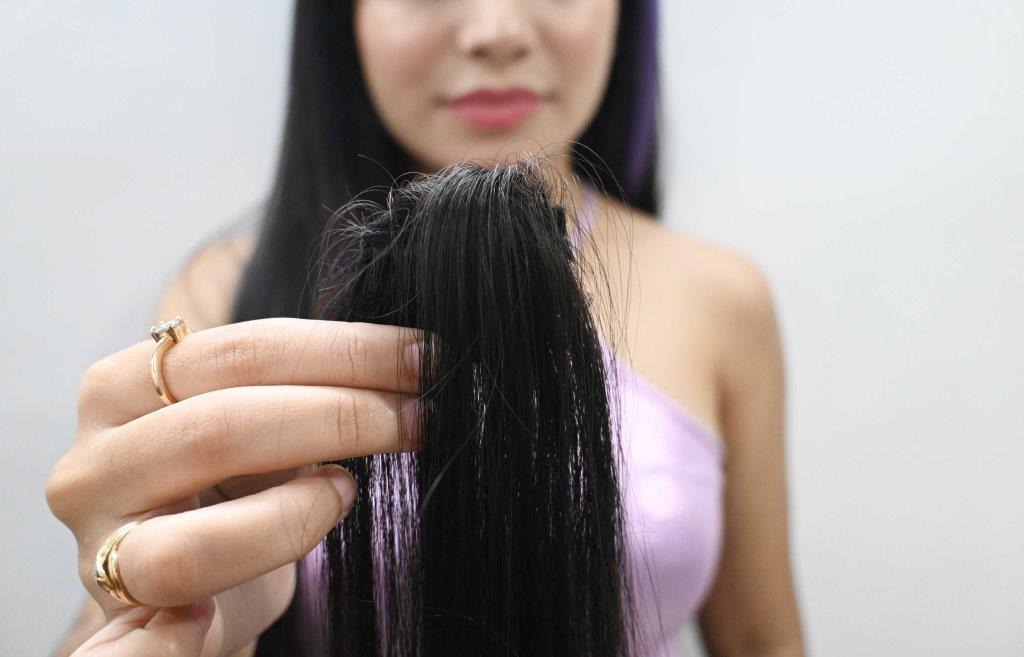
After securing the topper, focus on blending the parting area where the silk base meets your natural scalp. This step is key to mastering how to blend a silk topper with your natural hair. Use a tail comb to gently lift and pull a few strands of your natural hair near the parting over the edge of the silk base. This technique softens the transition and camouflages the beginning of the topper. You can also use a bit of root powder or concealer along the parting line to enhance the illusion of the scalp and hide any gaps or inconsistencies. If your hairline is sparse, using a small makeup brush to apply a matching root colour along the edges can also make a big difference in how seamless the topper looks.
6. Style Your Hair and the Topper Together
Now that your silk topper is securely in place, it’s time to style it along with your natural hair. The goal is to ensure that both the topper and your real hair flow together naturally. Begin by gently brushing your hair and the topper together to remove any separation lines. Use a flat iron, curling wand, or blow dryer to style both the topper and your natural strands at the same time. This will ensure that the textures match perfectly. For added realism, consider having your stylist cut layers into the topper that mimic the layering in your hair. Layers break up the blunt ends of the topper and create a flowing, more natural appearance. If you want to accessorize, headbands, scarves, or hair clips can also help disguise any transitions and make your look more cohesive.
7. Maintain the Silk Topper for Long-Term Blending
Learning how to blend a silk topper with your natural hair doesn’t stop at styling. Proper maintenance is essential for keeping the piece in good condition and ensuring that it continues to blend well over time. Always remove the topper before going to bed to prevent tangling or damage. When it’s time to wash it, use a sulphate-free, paraben-free shampoo and cool or lukewarm water. Gently cleanse the hair and allow it to air dry on a wig stand. Avoid applying conditioner to the base, as it can loosen the knots over time. Deep condition the strands regularly to maintain shine and softness. Store the topper in a silk bag or on a mannequin head to preserve its shape and parting. The better you care for the topper, the easier it will be to blend it each time you wear it.
8. Troubleshoot Common Blending Issues
Even after following all the steps, you might run into some challenges. If the topper feels bulky, check if your natural hair is lying flat enough underneath. If the topper still looks off-colour, consider toning it to match your bio hair better. If the clips feel uncomfortable, reposition them slightly or tease the roots more thoroughly before clipping. The most important part of learning how to blend a silk topper with your natural hair is being willing to adjust and experiment until you find what works best for your head shape, hair type, and lifestyle.
Final Thoughts
Mastering how to blend a silk topper with your natural hair is all about precision, patience, and practice. From choosing the right piece to perfecting your styling techniques, every step plays a vital role in achieving a natural look. Blending a silk topper with your natural hair isn’t just about placing a hairpiece on your head—it’s an art form that requires patience, preparation, and a good understanding of your hair. When done right, a silk topper can restore not just your hair’s appearance but also your confidence. From choosing the right topper to preparing your hair, securing the piece, and styling it flawlessly, every step plays a vital role in the final result. If you’re truly committed to learning how to blend a silk topper with your natural hair, following this guide will give you the tools you need to achieve a salon-worthy finish right at home.