

Hair is more than just a feature—it’s a symbol of identity, confidence, and self-expression. For many women across the globe, the loss of hair due to medical, genetic, or emotional reasons can lead to a devastating dip in self-esteem. Fortunately, modern solutions like human hair wigs have brought not only beauty back into their lives but have also reignited their inner strength. This blog celebrates real, iInspiring Stories: Women Who Regained Confidence with Hair Wigs who overcame the trauma of hair loss and found empowerment through wigs. If you’re searching for reasons to consider a wig or hair topper—or just need a reminder that confidence can be reclaimed—these stories may be exactly what you need.
The Emotional Toll of Hair Loss
Before we dive into these moving transformations, it’s essential to understand the emotional landscape. Hair loss in women is often more stigmatized than in men. Conditions such as alopecia, chemotherapy treatments, trichotillomania, and stress-related shedding (telogen effluvium) can leave women feeling less feminine, anxious in social settings, and sometimes even depressed. But what many discover is this: regrowth of confidence doesn’t always have to begin from the scalp. Sometimes, it begins with the simple act of wearing a hair wig that looks and feels real.
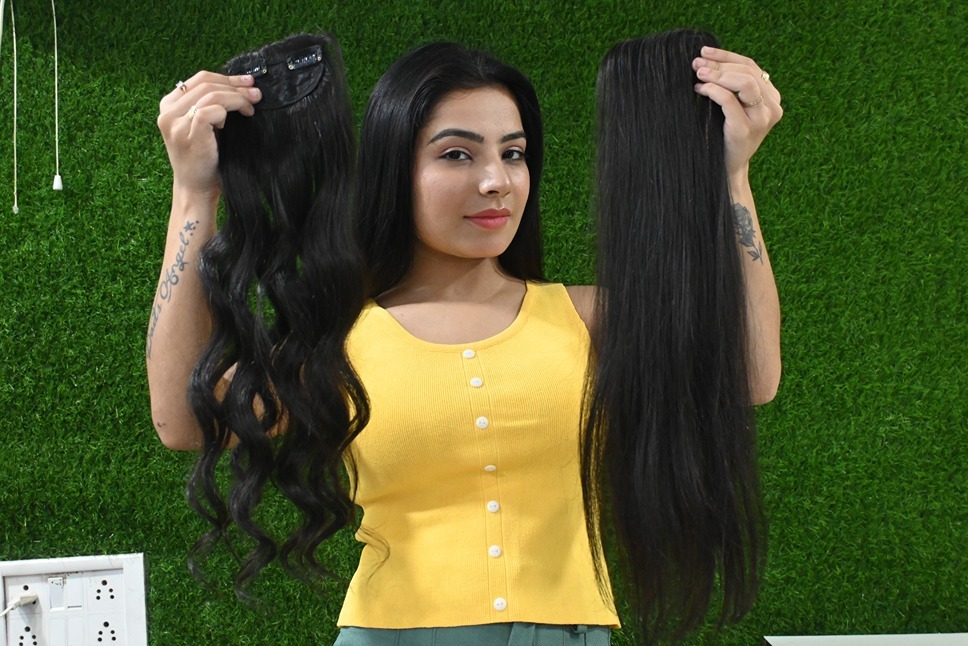
1. Asha’s Journey: Beating Cancer and Reclaiming Her Crown
Asha, a 36-year-old teacher from Delhi, was diagnosed with breast cancer at the age of 34. The chemotherapy treatments took a toll on her body, but the emotional pain of losing her thick, waist-length hair was the most unbearable. “I used to avoid mirrors. I stopped going to family functions because I didn’t want anyone to see me like that.” Her husband gifted her a 100% natural human hair wig sourced from a local wig supplier in India. “The first time I wore it, I felt like myself again,” she said. The compliments poured in, and so did her confidence. Even now, two years cancer-free, she occasionally wears wigs to switch up her style.
2. Radhika’s Story: From Alopecia to Acceptance
Radhika, a 29-year-old marketing executive from Bengaluru, was diagnosed with alopecia areata at 21. The autoimmune condition caused sudden, patchy baldness that worsened with stress. “I used to wear scarves, but they never gave me the confidence I needed,” she shared. After years of hiding, Radhika invested in a lace front wig made from Indian Remy hair. “It blended so seamlessly with my skin that people didn’t even know it was a wig. For the first time in years, I was able to look people in the eye.” Now an advocate for alopecia awareness, Radhika runs a YouTube channel reviewing hair wigs and toppers for Indian women.
3. Simran’s Makeover: Divorce, Self-Love, and a New Beginning
Simran, a 42-year-old interior designer from Mumbai, went through a painful divorce that affected her mental and physical well-being. Stress-related hair fall left her with visible thinning, especially in the crown area. “I felt like I was fading away—emotionally and physically,” she said. During a salon visit, a stylist recommended a silk-based hair topper. “The transformation was unbelievable. I looked younger and felt empowered. I walked out of that salon with my head held high.” Simran now encourages middle-aged women going through life transitions to prioritize self-care and explore hair solutions without shame.
4. Farah’s Recovery: Healing from Trichotillomania
Trichotillomania, a hair-pulling disorder, affected Farah’s life from adolescence. Now 25 and based in Hyderabad, she recalls how the disorder created a vicious cycle of guilt, shame, and withdrawal. “I had bald patches I couldn’t explain. People judged me without understanding the disorder.” When she discovered clip-in bang wigs and crown patches made of real human hair, her life changed. “It felt like I was hiding my disorder from the world—but in a good way. I finally had the courage to go out, meet people, and even attend job interviews.”
Farah is currently working as a graphic designer and is vocal about mental health and hair loss.
5. Meenal’s Style Revolution: Embracing Fashion Wigs
Not all stories come from trauma—some come from style evolution. Meenal, a 33-year-old fashion influencer from Jaipur, didn’t suffer hair loss but always wanted the freedom to switch styles without damaging her natural hair.
“I own 12 wigs, from bob cuts to beachy waves. They help me express different moods and aesthetics,” she said. “It’s no different than changing clothes.”
Her colourful wig transformations on Instagram have inspired many Indian women to see wigs not as a medical aid but as a fashion accessory.
Final Thoughts
The stories of Asha, Radhika, Simran, Farah, and Meenal remind us that confidence is not about perfection—it’s about resilience, self-love, and choosing to feel whole again. Whether you’re dealing with medical hair loss or simply looking for a new style, wigs can be a transformative tool. Hair is deeply personal, but it’s also deeply powerful. And sometimes, the simple act of wearing a wig is the first step in reclaiming your voice, your beauty, and your life.