
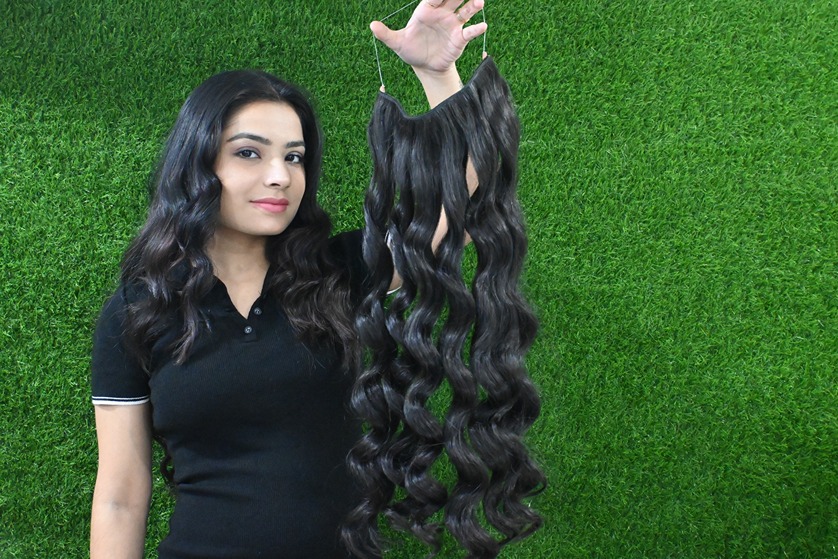
Hair has always played a powerful role in self-expression and confidence. For centuries, people have sought ways to enhance their natural hair—whether for cultural significance, fashion, or personal empowerment. Today, one of the most accessible and transformative ways to elevate your hair game is through hair extensions. the cost of hair extensions are they worth it. Whether you’re trying to grow out a short haircut, add thickness to fine hair, or simply experiment with new styles without chemical treatments, extensions provide unmatched versatility. Once reserved for celebrities, red-carpet events, and elite salons, they are now a mainstream beauty choice available to virtually everyone. From Bollywood actresses and fashion influencers to brides and working professionals, more and more people are turning to extensions to elevate their everyday look.
Understanding Hair Extension Types and Their Costs
The price of hair extensions varies significantly based on the type of extension, the quality of the hair, and the method of application. Here’s a breakdown of the most common types:
1. Clip-In Hair Extensions
Cost: ₹2,000 to ₹10,000+, Lifespan: 6 months to 1 year (with proper care). Clip-in extensions are temporary and ideal for occasional use. They come in wefts that you clip onto your natural hair and remove at the end of the day. They’re perfect for beginners and those who want instant volume or length without commitment. Their affordability and ease of use make them a popular choice for events and weddings.
2. Tape-In Hair Extensions
Cost: ₹8,000 to ₹30,000, Lifespan: 6 to 8 weeks per installation, reusable for up to a year. Tape-ins involve adhesive strips that are taped close to the roots of your hair. They’re lightweight, lie flat against the scalp, and blend well with natural hair. However, they require professional installation and maintenance. The initial cost is higher, but since they can be reused with new tape, the long-term value improves.
3. Keratin Bond / Fusion Hair Extensions
Cost: ₹15,000 to ₹50,000+, Lifespan: 3 to 4 months. These extensions are fused to your natural hair using a keratin-based bond and heat tool. They look very natural and are almost undetectable, making them a top-tier option. However, the cost is high, and the application can take several hours. These are best suited for those looking for a semi-permanent and seamless look.
4. Micro-Link (I-Tip) Extensions
Cost: ₹12,000 to ₹40,000, Lifespan: 3 to 4 months. Micro-links are small beads that connect the extensions to your hair without glue or heat. They are reusable and offer a natural look. However, they require precise installation and periodic adjustment, making them a more maintenance-heavy option.
5. Sew-In (Weave) Extensions
Cost: ₹5,000 to ₹20,000 (excluding salon charges), Lifespan: 6 to 8 weeks. Sew-in extensions involve braiding the natural hair into cornrows and sewing wefts into the braids. They are most commonly used for thicker hair types and can be cost-effective but require expertise for proper installation and care.
What Else Affects the Cost of Hair Extensions?
Beyond the type and quality of hair, several additional factors can significantly impact the final cost of hair extensions. These hidden or overlooked aspects are important to understand before making a purchase or booking an appointment. Here’s a deeper look at what else influences the overall price:
1. Length and Thickness of Hair Extensions
One of the most obvious factors is the length of the hair extensions. The longer the hair, the more it costs—simply because it requires more raw material and processing time. For example, a 12-inch hair extension set will be significantly cheaper than a 24-inch one made from the same quality of hair. In addition, the volume or thickness you desire affects the cost. People with thick natural hair often need more wefts or bundles to achieve a seamless blend, which increases the number of grams required. Most extension sets are priced based on weight (usually 100g to 200g), so more grams mean a higher price.
2. Texture and Customization
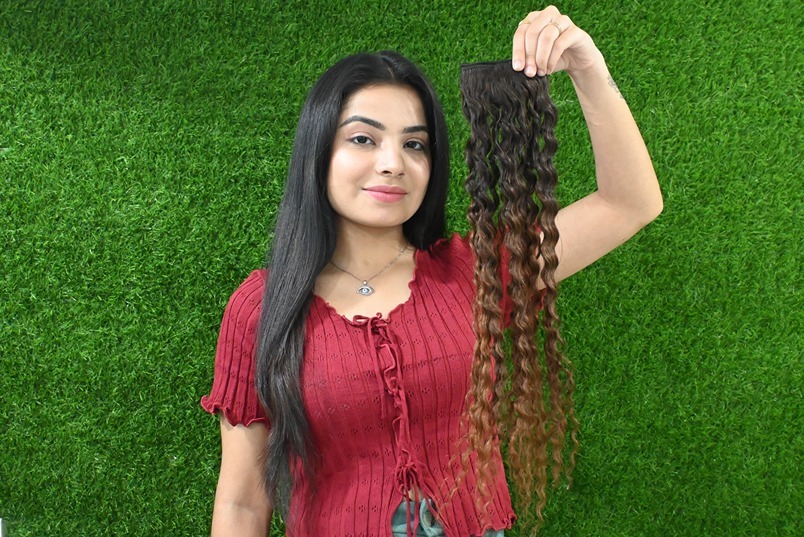
Hair extensions come in different textures—straight, wavy, curly, and coily. Creating and maintaining these textures, especially in 100% human hair, involves additional processing. For instance, matching curly textures perfectly to natural hair often requires careful sourcing and styling, which adds to the cost. Customization—such as color-matching, highlighting, or blending multiple shades (like balayage or Ombre)—also increases the price. Custom orders that are tailored to your unique hair color or curl pattern usually require more time and precision in production.
3. Origin and Quality of the Hair
The origin of the hair also impacts pricing. Indian, Brazilian, Peruvian, and Russian hair each have different textures, durability, and rarity, which affect their market value. For instance: Indian hair is widely used and available, often more affordable. Russian or European hair is finer and harder to source, making it more expensive. Higher quality grades, such as Remy hair (where the cuticles are aligned), cost more than non-Remy or processed hair. Virgin hair (never dyed or chemically treated) commands an even higher price.
4. Application Method and Professional Installation
The method used to install hair extensions plays a big role in total cost. While clip-ins are DIY-friendly, semi-permanent options like tape-ins, keratin bonds, or micro-links require professional expertise. Salon service charges vary depending on the hairstylist’s experience, salon location, and installation complexity. In metro cities, a certified stylist may charge ₹5,000 to ₹20,000 or more just for the application. The longer and thicker the hair, the more time-consuming the installation—and the more it will cost.
5. Reapplication and Maintenance Costs
Hair extensions are not a one-time expense. Even reusable ones need regular maintenance, especially tape-ins and fusion bonds that require touch-ups every 6–8 weeks. Costs include: Re-taping or re-bonding fees, Removal and reapplication labor charges, Hair washing, blow-drying, and styling during visits. These recurring costs can add up over time, so it’s essential to factor them into your budget.
6. Hair Care and Styling Products
Maintaining the look, feel, and longevity of your extensions requires specialized hair care products. These include: Sulfate-free shampoos and conditioners, Leave-in conditioners or serums, Heat protectants for styling, Wide-tooth combs and detangling brushes. Using regular hair products may degrade the quality of human hair extensions, causing dryness, tangling, or matting. Investing in high-quality aftercare products is essential to get the most out of your purchase.
7. Shipping, Taxes, and Import Duties
If you’re purchasing premium hair extensions online or from international suppliers, consider shipping costs, customs duties, and taxes. These charges can increase the total cost by 10–30%, especially for international brands or custom orders from abroad.
8. Brand Reputation and Warranty
Established brands often charge a premium due to their reputation, customer service, and quality assurance. While you may find cheaper options from lesser-known sellers, they might lack transparency, longevity, or customer support. Some high-end hair extension brands also offer warranties, return policies, or guarantees on their products. While this adds to the cost, it can offer peace of mind and long-term value.
Final Thoughts
Hair extensions are an investment—both in money and maintenance. Whether they are worth it depends on your goals, lifestyle, and budget. If you want a quick fix for a special occasion, clip-ins are an affordable way to get a glam look. But if you’re after a long-lasting transformation and a natural feel, professionally installed human hair extensions can deliver stunning results—just be prepared for the ongoing costs. In the end, if extensions boost your confidence, enhance your style, and make you feel your best, then yes—they can absolutely be worth every rupee.